

Understanding Your Cat's Behavior: Why Is He Pawing at His Mouth?
Cats often communicate through their actions, and when your feline friend starts pawing at mouth, it can be puzzling and concerning. This behavior might seem minor, but it often signals something important about your cat’s health or comfort. Understanding why your cat is pawing at mouth helps you respond appropriately and keep your pet happy and healthy.
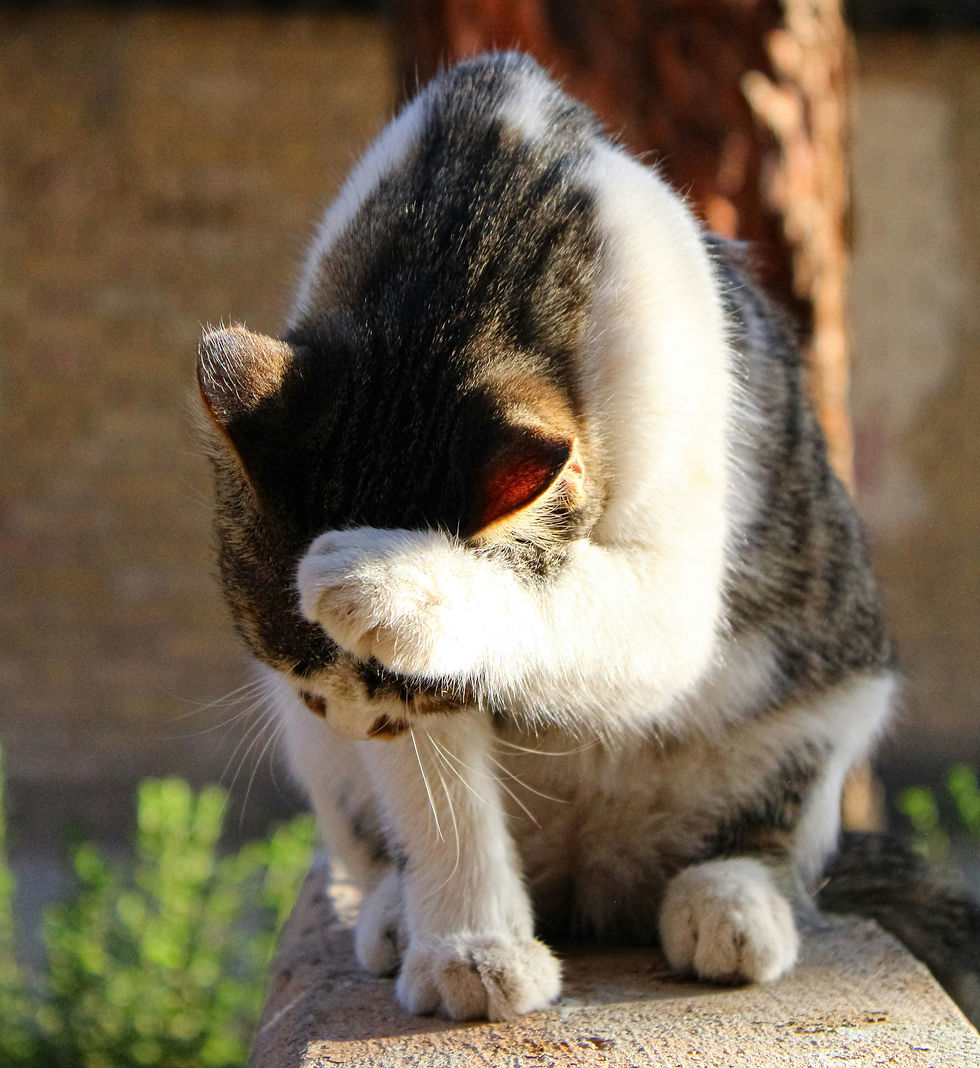
1. Dental Problems Can Cause Pawing at Mouth
One of the most common reasons cats paw at mouth is dental discomfort. Cats can develop issues like:
Tooth decay or cavities
Gingivitis (gum inflammation)
Tooth resorption, where the tooth structure breaks down
If your cat suddenly starts pawing at mouth frequently, check for signs like bad breath, drooling, or difficulty eating. Dental pain can be severe, and untreated problems may lead to infections or tooth loss. A vet visit is essential if you suspect dental issues.
2. Foreign Objects or Irritants in the Mouth
Cats explore their environment with their mouths, so sometimes they get something stuck between their teeth or gums. This could be:
A small piece of food
Plant material like grass or leaves
Tiny debris from playing outside
Pawing at mouth in this case is your cat’s way of trying to remove the irritant. You might notice your cat pawing more after eating or playing outdoors. If you can safely check your cat’s mouth and remove the object, do so gently. If not, a vet can help avoid injury.
3. Oral Infections or Ulcers
Infections inside the mouth can cause discomfort and lead to pawing at mouth. Cats can develop:
Stomatitis, a painful inflammation of the mouth lining
Ulcers caused by viruses or immune system issues
These conditions cause soreness, making your cat paw at mouth to relieve irritation. Other signs include reluctance to eat, weight loss, and excessive drooling. Oral infections need veterinary diagnosis and treatment, often involving medication.
4. Allergies or Skin Conditions Around the Mouth
Sometimes pawing at mouth is not about the inside of the mouth but the skin around it. Cats can have allergies or skin irritations caused by:
Food ingredients
Environmental allergens like pollen or dust
Contact with certain cleaning products or plants
Look for redness, swelling, or hair loss around the mouth area. Your cat might paw at mouth to scratch or soothe itchy skin. A vet can help identify allergens and recommend treatments such as special diets or topical creams.
5. Behavioral Reasons and Stress
Cats sometimes paw at mouth as a nervous habit or response to stress. Changes in the home environment, new pets, or loud noises can trigger anxiety. This behavior might be repetitive and not linked to physical pain.
If you notice pawing at mouth increases during stressful times, try to:
Provide a calm, safe space for your cat
Use pheromone diffusers designed to reduce anxiety
Maintain a consistent routine
If the behavior persists, consult a vet or animal behaviorist for advice.
6. Feline orofacial pain syndrome
Feline orofacial pain syndrome (FOPS) is a severe, likely inherited, neuropathic pain disorder primarily affecting Burmese cats, characterised by episodic, intense licking, chewing, and self-mutilation of the tongue and lips. It is fairly rare but causes great discomfort. It acts similarly to human trigeminal neuralgia, with pain often triggered by oral disease or teething. Management involves anti-epileptic medication, stress reduction, and pain control. If you suspect this is affecting your cat, visit the vets as soon as possible to look into supportive care.
Other Medical Conditions to Consider
Less commonly, pawing at mouth might indicate other health problems such as:
Nausea or digestive upset causing discomfort near the mouth
Neurological issues affecting facial nerves.
Oral tumors or growths
If pawing at mouth is accompanied by other symptoms like vomiting, drooling, or changes in behavior, seek veterinary care promptly.
Cats communicate their needs in subtle ways. Pawing at mouth is one such signal that deserves attention. By observing your cat carefully and understanding the possible causes, you can help ensure your feline friend stays comfortable and healthy.
Monitor your cats pain using known cat pain scales, we have a blog post on this:


Comments